Home / Blog / Reading the Supplement Facts Panel
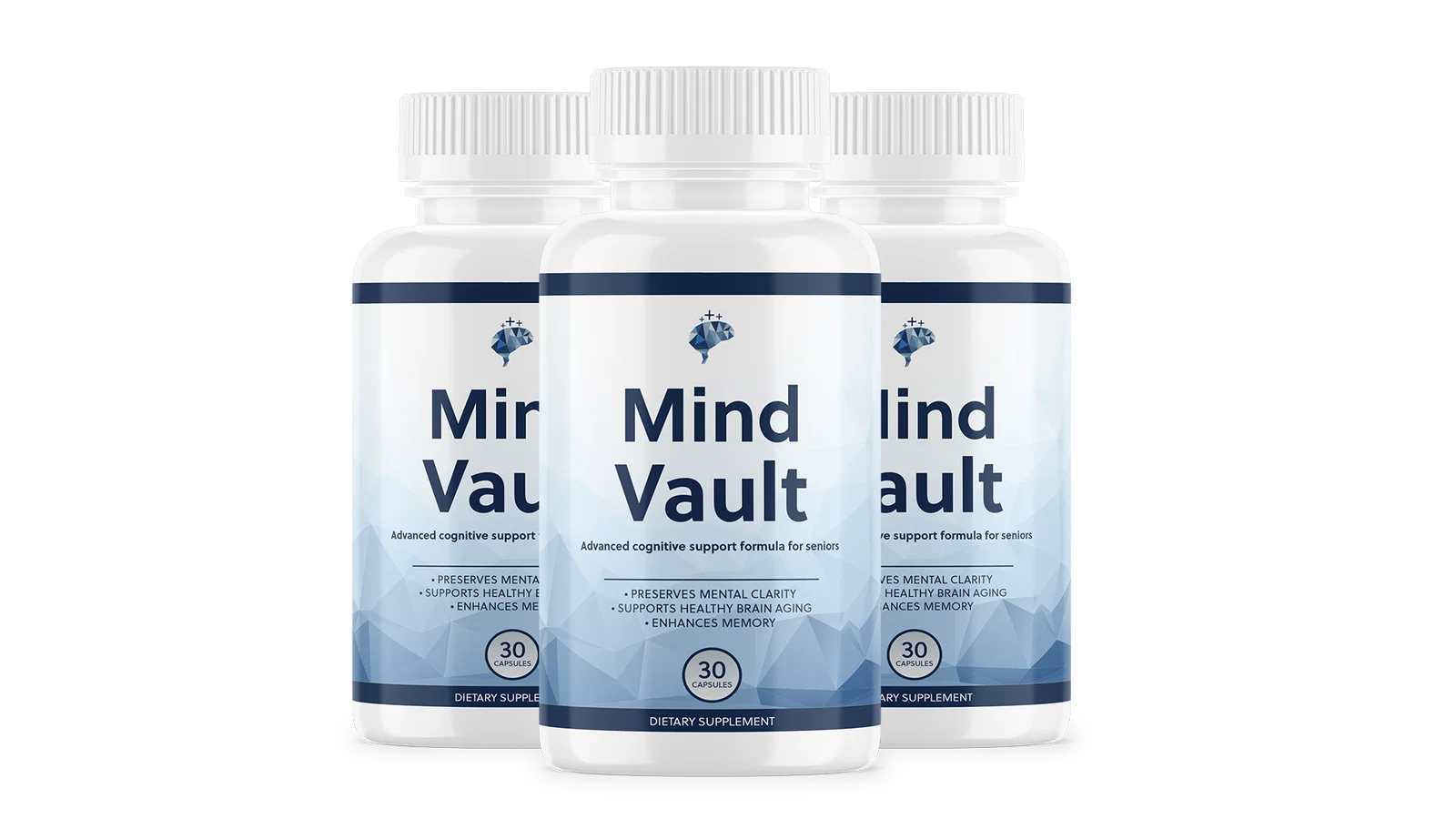
Reading the Mind Vault Supplement Facts Panel
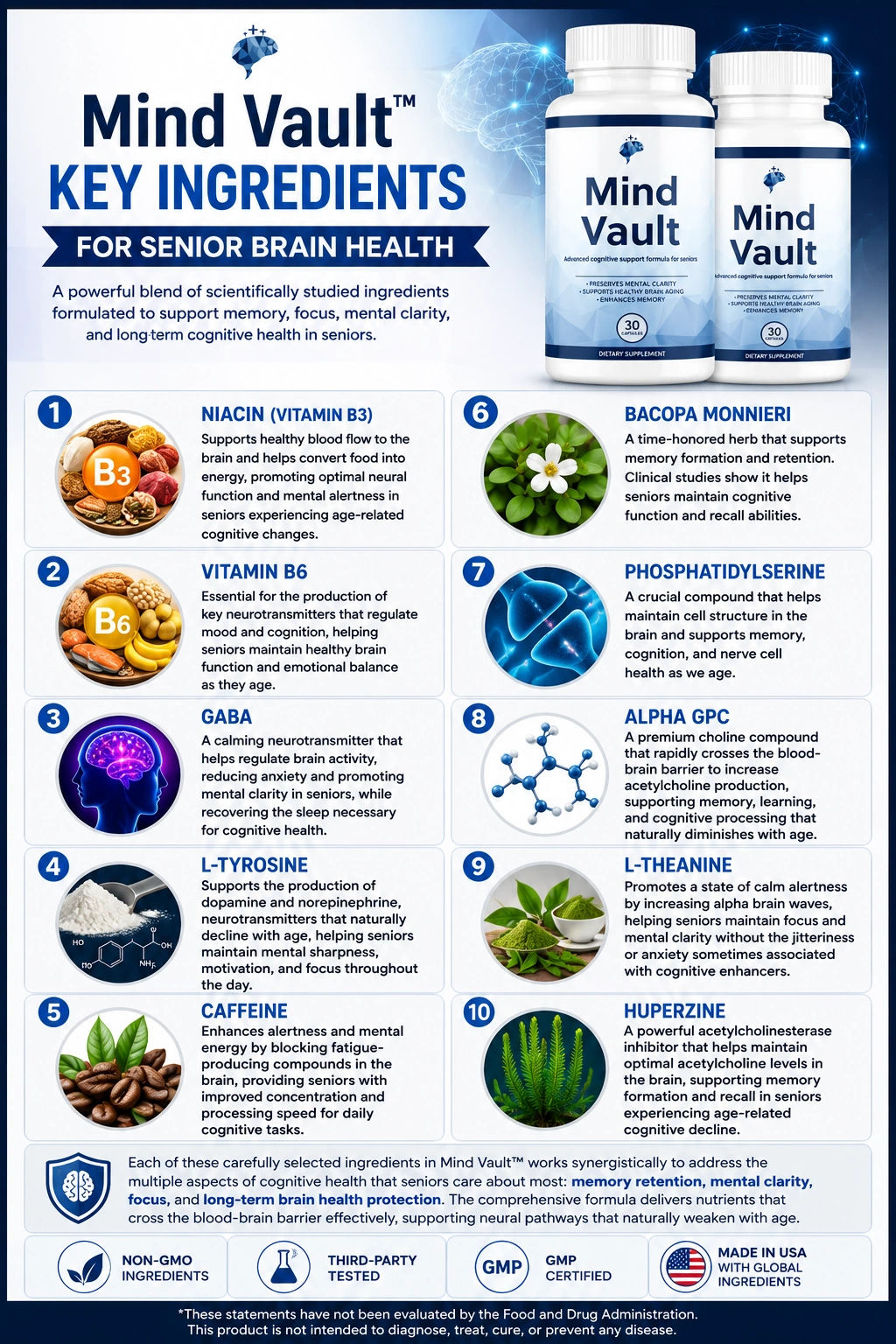
Table of Contents
Why the label matters more than the marketing
Most supplement pages lead with a story. This one leads with a label, because the label is the only part of a supplement page that's legally required to be accurate. Marketing copy can say almost anything; a Supplement Facts panel has to list what's actually in the bottle and how much of it. That's the document worth reading closely before you decide whether a product like Mind Vault is right for you.
Mind Vault's panel names ten ingredients individually. None of them are hidden inside a combined "proprietary blend" figure — a practice common in the category that lets a brand list a total milligram count for a mix of ingredients without disclosing how much of each one you're actually getting. When every ingredient is dosed individually, you and your doctor can actually evaluate what you're taking.
The ten ingredients, grouped by purpose
It helps to think of the panel in three functional groups rather than as one long list.
Memory and cell-health support: Bacopa Monnieri, Phosphatidylserine, Alpha GPC, and Huperzine A. These four are generally the ones associated with longer-term, cumulative support for memory and brain cell function.
Calm and focus support: GABA and L-Theanine. These are calming compounds, not stimulants — they're included to support sustained, level focus rather than a jittery energy spike.
Alertness and circulation support: L-Tyrosine, Niacin (Vitamin B3), Vitamin B6, and a low dose of natural caffeine. This group is more about same-day support for alertness and healthy blood flow.
Grouping the panel this way also explains the realistic timeline: the calm/alertness group can be felt sooner, while the memory/cell-health group is designed to build gradually, typically over 8 to 12 weeks of consistent use.
The caffeine line — read this one carefully
Mind Vault contains a low, natural dose of caffeine. It's easy to skim past this line if you're focused on the more "brain-sounding" ingredients, but it matters for two groups of people specifically: anyone who is sensitive to caffeine, and anyone who avoids stimulants later in the day because of sleep. If either applies to you, the practical fix is simple — take your dose earlier in the day, and talk to your doctor first if you're not sure how caffeine interacts with anything else you're taking.
How to read any supplement label, not just this one
Whether or not you choose Mind Vault, the habit of reading a label this way is worth keeping. Check for three things on any cognitive supplement: are ingredients listed individually or hidden in a blend, is there a realistic timeline stated anywhere on the page, and is there a clear allergen or stimulant disclosure. A product that gets all three right is at least being straightforward with you about what you're buying.