Home / Blog / Proprietary Blend Red Flags
Why "Proprietary Blend" Should Make You Pause
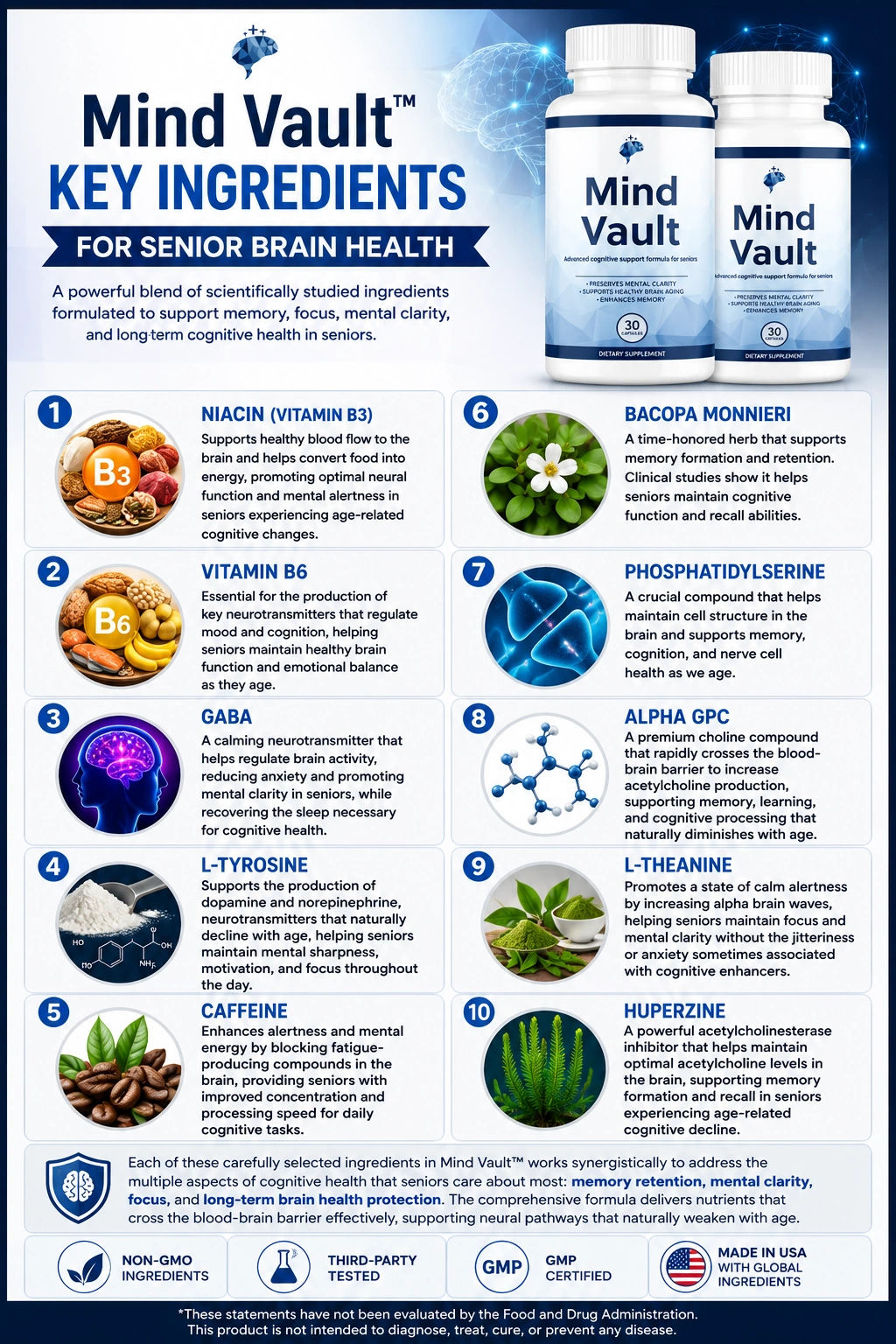
Table of Contents
What the phrase actually means
"Proprietary blend" is a legal label term that lets a manufacturer list a group of ingredients together with one combined total weight, without disclosing how much of each individual ingredient is inside. You'll see the ingredient names, but not the breakdown — so a blend claiming "1,200mg" could be mostly one cheap filler ingredient and a token amount of the expensive one that's actually driving the marketing.
Why brands use it
There are a few reasons a brand might reach for a blend. Sometimes it's genuinely to protect a specific formulation ratio from competitors. More often in this category, it's used to make a formula sound more impressive than its actual dosing would justify — combining a well-researched ingredient at a token amount with cheaper filler ingredients, all under one appealing total number.
What to check instead
The alternative is straightforward: a fully disclosed panel, where every ingredient is listed with its own individual amount. That's the standard Mind Vault's label is built to meet — all ten ingredients, dosed individually, with nothing folded into a combined total. When you're comparing cognitive supplements, this is one of the fastest checks you can run: scan the label for the words "proprietary blend" or "proprietary formula," and if you see it, ask whether the brand will disclose individual amounts on request.
Is it always a bad sign?
Not automatically — some reputable brands use blends for genuinely defensible reasons. But it does shift the burden onto you to dig further, ask questions, or simply choose a product that doesn't require that extra step. Full disclosure removes the guesswork, which is why it's worth treating as the higher bar.